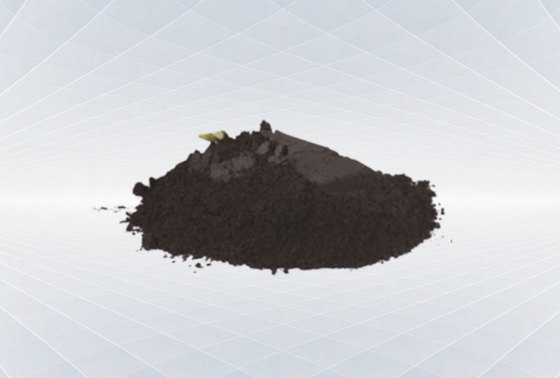
Choosing the right activated carbon is critical for the efficiency and cost-effectiveness of your adsorption process. It’s not a one-size-fits-all product. The “right” carbon is determined by matching its key physical and chemical parameters to your specific application.
Here is a comprehensive guide on how to choose the right activated carbon based on key parameters.
The Core Principle: “Like Attracts Like”
The fundamental goal is to match the properties of the contaminant (adsorbate) and the operating conditions with the inherent properties of the activated carbon.
Step 1: Define Your Application & Contaminants
Before looking at carbon specs, you must know what you’re removing and from what medium.
-
Application Context:
-
Gas/Vapor Phase: Solvent recovery, odor control, VOC abatement, air purification.
-
Liquid Phase: Water treatment (drinking, wastewater, groundwater), food & beverage decolorization, chemical purification.
-
Target Contaminants:
-
Molecular Size & Weight: Large molecules (e.g., dyes, humic acids) vs. small molecules (e.g., chlorine, benzene).
-
Polarity: Polar molecules (e.g., water, alcohols, phenols) vs. Non-polar molecules (e.g., benzene, toluene, hexane).
-
Chemical Nature: Is it organic or inorganic?
Step 2: Understand the Key Parameters of Activated Carbon
These are the specifications you will find on a carbon data sheet. They tell you about the carbon’s “personality.”
A. Physical Structure Parameters (The “Highway System”)
-
Pore Structure & Size Distribution: This is arguably the most critical parameter. Think of pores as roads. You need the right size “roads” for your “molecular vehicles.”
-
Macropores (>50 nm): Act as main highways, allowing molecules to quickly travel into the carbon particle. Important for kinetics.
-
Mesopores (2 – 50 nm): The secondary roads and streets. Crucial for adsorbing large organic molecules like dyes, tannins, and humic acids.
-
Micropores (<2 nm): The final parking spaces and alleys. They provide the vast majority of the surface area and are essential for adsorbing small molecules like VOCs, chlorine, and odors.
How to Choose:
-
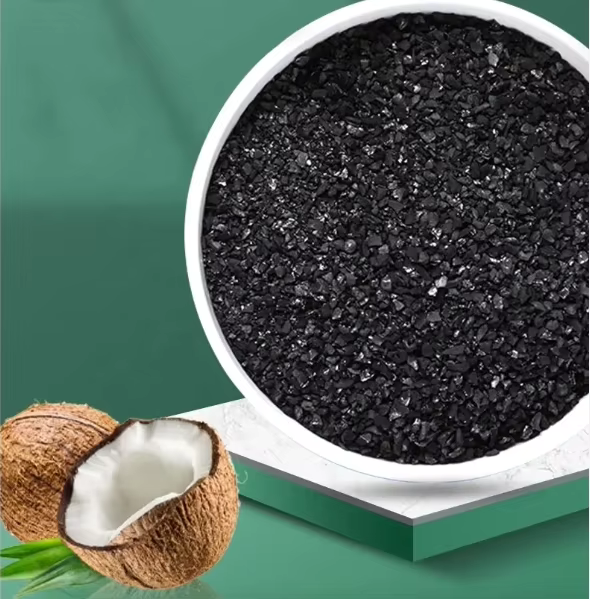
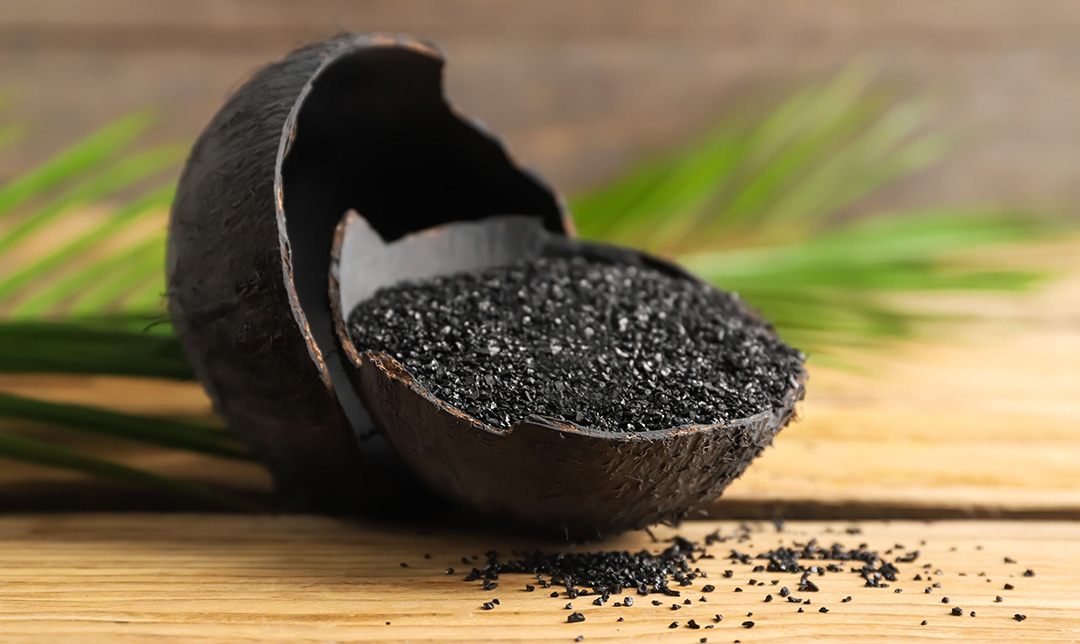
For Small Molecules (VOCs, Chlorine, Odors): Prioritize carbons with a very high microporous volume. (e.g., Coconut-shell based carbons).
-
For Large Molecules (Dyes, Humic Acids): You need a carbon with a significant mesoporous volume. (e.g., Wood-based or specially formulated coal-based carbons).
-
Surface Area (BET – m²/g): The total “parking lot” area available for adsorption. Higher surface area generally means higher capacity.
-
Typical Range: 500 – 1500 m²/g for standard carbons, can exceed 2000 m²/g for specialized grades.
-
How to Choose: A high surface area is generally good, but it must be in the right pore sizes. A carbon with a massive surface area in micropores won’t help if you’re trying to remove a large dye molecule.
-
Particle Size & Distribution: Affects pressure drop (in systems), contact time, and kinetics.
-
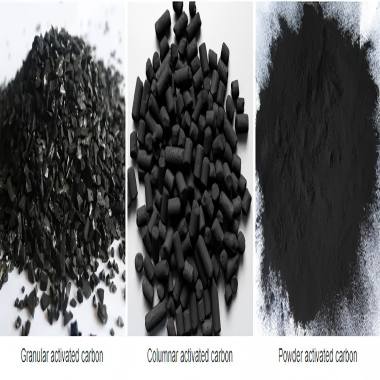
Powdered Activated Carbon (PAC): Very fine particles. Used for rapid, batch-wise treatment in liquids. High surface area contact but difficult to regenerate.
-
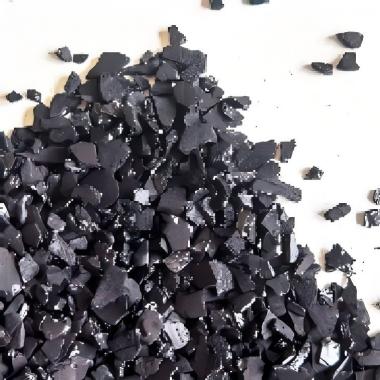
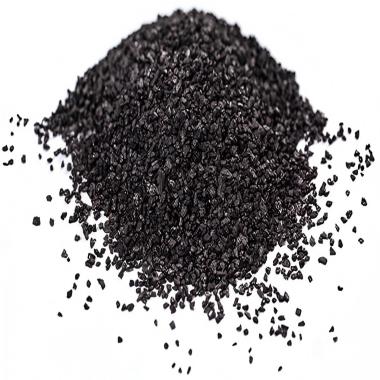
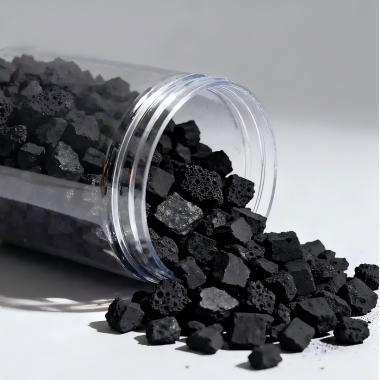
Granular Activated Carbon (GAC): Larger particles. Used in fixed-bed filters for continuous operation. Lower pressure drop, easily regenerable.
-
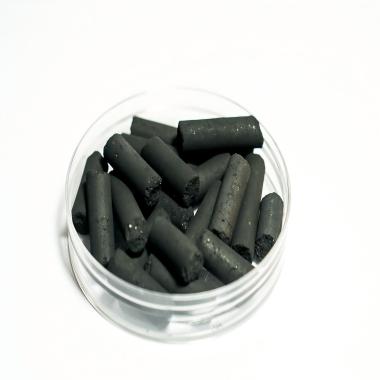
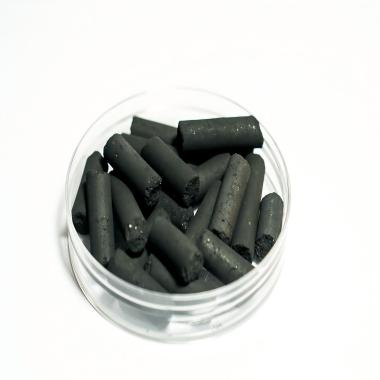
Extruded Carbon (EAC): Cylindrical pellets. Very high mechanical strength, low dust, used in vapor phase systems with high gas flow.
-
How to Choose:
-
Liquid Phase (GAC): Choose a particle size that balances kinetics (smaller is faster) with pressure drop (larger has lower drop).
-
Vapor Phase: Often use EAC or larger GAC for low pressure drop in high-flow systems.
B. Chemical Surface Parameters (The “Personality”)
-
Surface Chemistry / Polarity: The surface of carbon can have different functional groups (oxygen, hydrogen) that make it more or less “sticky” to certain molecules.
-
Hydrophobic (Non-Polar) Surface: The standard for most activated carbons. Excellent for adsorbing non-polar organic compounds from air and water (VOCs, solvents, benzene).
-
Hydrophilic (Polar) Surface: Can be created by oxidation treatments. Better for adsorbing polar compounds like alcohols, phenols, and certain metal ions.
How to Choose:
-
For standard VOC removal: Use standard, non-polar carbon.
-
For removing polar compounds (e.g., methanol, formaldehyde): Consider an oxidized (polar) carbon.
-
pH of Point of Zero Charge (PZC): The pH at which the carbon surface has a net neutral charge. This affects the adsorption of charged (ionic) species.
-
Low PZC (<7): Carbon surface is acidic. Prefers to adsorb basic (cationic) compounds.
-
High PZC (>7): Carbon surface is basic. Prefers to adsorb acidic (anionic) compounds.
-
How to Choose: If your contaminant is ionic, match the carbon’s PZC to the pH of your solution to optimize electrostatic attraction.
Step 3: The Selection Matrix – Putting It All Together
Step 4: Practical Considerations & Testing
-
Isotherm Testing: For critical applications, the only way to be sure is to test. An adsorption isotherm test (e.g., Langmuir or Freundlich) in your actual feedstock will determine the capacity of different carbons for your specific contaminant. This is the gold standard.
-
Bed Life & Economics: A cheaper carbon with lower capacity may need to be changed more often, leading to higher labor and downtime costs than a more expensive, high-capacity carbon.
-
Mechanical Strength (Abrasion Number/Hardness): Important for systems with high flow or backwashing (like water filters). Low hardness leads to breakdown and high pressure drop.
-
Moisture Content: High moisture can reduce the available capacity for vapor phase adsorption.
-
Ash Content: Can be important in sensitive applications (e.g., food, electronics) as it can leach out.
Summary Checklist for Selection:
-
[ ] Identify: What is the contaminant? (Size, Polarity, Concentration)
-
[ ] Context: Is it a Gas or Liquid phase application?
-
[ ] Pore Size: Match contaminant size to pore distribution (Micro for small, Meso for large).
-
[ ] Surface Chemistry: Standard non-polar for organics, or polar/impregnated for special cases?
-
[ ] Particle Form: PAC for batch treatment, GAC/EAC for continuous filters?
-
[ ] Verify: Always request a technical data sheet from the supplier.
-
[ ] Test (If Critical): Conduct a lab-scale or isotherm test to confirm performance and calculate bed life.
By systematically working through these parameters, you can move from a trial-and-error approach to a scientific and cost-effective method for selecting the perfect activated carbon for your needs.