
What are the uses and methods of using sodium cyanide?
Release time:
26-02-05
Source:
Sodium cyanide (NaCN) is a highly toxic but industrially valuable chemical widely used in many fields. Despite its extreme hazards, it remains an indispensable raw material in many industrial processes under strict control and standardized operation.
I. Main Uses
3. Organic Synthesis and Chemical Raw Materials Sodium cyanide is a starting material for many organic compounds, used in the synthesis of:
- Pharmaceuticals: intermediates for drugs such as penicillin, vitamin B6, folic acid, acyclovir, gabapentin, and pregabalin;
- Pesticides: glyphosate, cypermethrin, paraquat, and penflusulfonium;
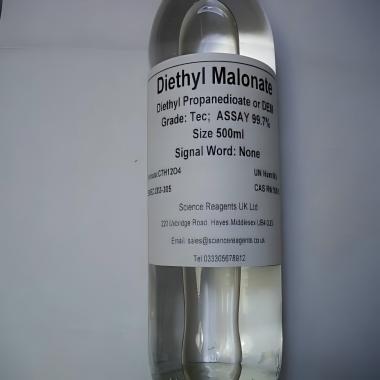
- Dyes and Fragrances: indigo, fluorescent whitening agent VBL, and diethyl malonate, a raw material for fruit-type fragrances;
- Plastics and Rubber: synthesis of acrylonitrile and nitrile rubber.
4. Metal Heat Treatment:
- Heat treatment processes such as quenching, carburizing, and nitriding are used for steel parts. These processes can improve the surface hardness, wear resistance, and fatigue strength of metals.
- They are suitable for the final treatment of precision mechanical parts (such as gears, shafts, measuring tools, etc.).
5. Other industrial uses:
- As a masking agent or complexing agent in chemical analysis;
- used for engraving and etching glass and quartz;
- used to manufacture other cyanides (such as potassium cyanide, sodium thiocyanate, sodium thiocyanate, etc.)
II. Usage Methods and Operating Procedures
1. Operating Environment Requirements
- Operations must be performed in fume hoods or closed systems; they are strictly prohibited in open spaces or densely populated areas.
- Workplaces must display warning signs such as “Highly Toxic” and “No Smoking,” and eating and smoking are prohibited.
2. Weighing and Sampling
- Use dedicated tools and avoid mixing with other chemicals;
- A balance is recommended for weighing to prevent powder from flying;
- Handle gently to avoid dust or skin contact.
3. Dissolution and Reaction
- When dissolving, sodium cyanide should be added to water slowly. It is strictly forbidden to pour water into sodium cyanide to prevent violent reaction and splashing.
- Avoid splashing during stirring and ensure operation under alkaline conditions to prevent the generation of highly toxic hydrogen cyanide gas (HCN).
4. Material Transfer
- For solid transfers, use sealed containers; for liquid transfers, use alkali-resistant pumps or siphons.
- Avoid spills. In case of leakage, immediately treat with oxidants such as sodium hypochlorite or bleaching powder to decompose it into less toxic substances.
5. Personal Protective Equipment
- Wear a gas mask, corrosion-resistant gloves (such as fluororubber), and protective clothing;
- immediately after operation, rinse exposed skin with plenty of water and thoroughly clean hands with soap.
6. Emergency Treatment
- Equip with eyewash stations and emergency showers;
- Antidotes such as amyl nitrite and sodium thiosulfate should be available on site and used immediately after poisoning.
III. Safety Warnings and Alternative Trends
- In recent years, the industry has been actively developing cyanide-free electroplating technologies to reduce risks. For example, Changshan enterprises have made breakthroughs in non-toxic alternative technologies, promoting the development of green electroplating.
- Although alternative processes are gradually being promoted, sodium cyanide is still difficult to completely replace in high-requirement electroplating and gold smelting fields.
CTC
Related News
06-13
2025


Shop 101, No. 202 Huanshi West Road, Yuexiu District, Guangzhou City,Guangdong Province, China
Telephone: 86 13670786666
Mobile: 86 13670786666
E-mail:wuguifang57@gmail.com