
Properties and applications of Coal-based Granular Activated Carbon
Release time:
26-03-04
Source:
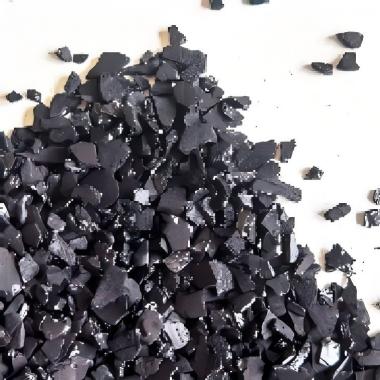
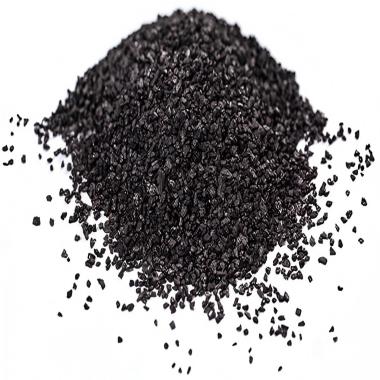
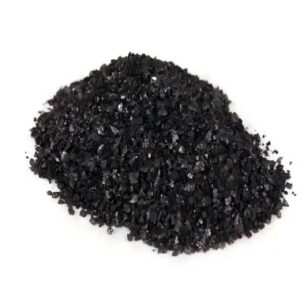
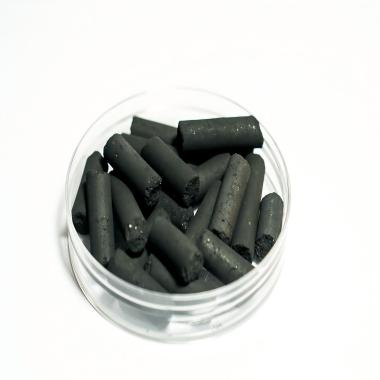
Coal-based granular activated carbon is a black granular porous adsorbent material made from high-quality anthracite coal through carbonization, activation and other processes. It has advantages such as large specific surface area, well-developed pores, high mechanical strength and recyclability, and is widely used in water treatment, air purification, solvent recovery and other fields.
Key features
1. Highly developed pore structure:Primarily micropores, with a specific surface area of 800–1200 m²/g, exhibiting strong adsorption capacity for pollutants such as organic matter, residual chlorine, and heavy metals.
2. High mechanical strength:Particle strength is typically ≥90%, making it wear-resistant and resistant to breakage and pulverization in water treatment systems.
3. Good chemical stability:Resistant to acids, alkalis, and heat, suitable for complex water qualities and industrial environments.
4. Renewability:After adsorption saturation, over 80% of the adsorption performance can be restored through high-temperature thermal regeneration, reducing long-term operating costs.
Core application areas
- Water Treatment
1. Used for purifying municipal tap water, industrial wastewater, and drinking water, effectively removing COD, ammonia nitrogen, total phosphorus, odors, and disinfection byproducts (such as chloroform).
2. In the event of sudden water pollution incidents (such as benzene or nitrobenzene pollution), powdered or granular activated carbon can be used as an emergency treatment measure.
3. Suitable for long-term stable water supply systems, operating continuously in fixed or moving bed configurations.
- Air Purification
1. Adsorbs harmful gases such as formaldehyde, benzene compounds, TVOC, and hydrogen sulfide; commonly used for post-renovation air purification and industrial waste gas treatment.
2. Used in coal-fired power plants for the removal of mercury, dioxins, and CO₂ capture (after modification treatment).
- Industrial Applications
1. Solvent Recovery: Used for oil and gas adsorption and recovery of organic solvents (such as benzene and alcohols).
2. Catalyst Support: Used as a substrate for supporting metal catalysts in chemical reactions.
3. Decolorization and purification in the food and pharmaceutical industries.
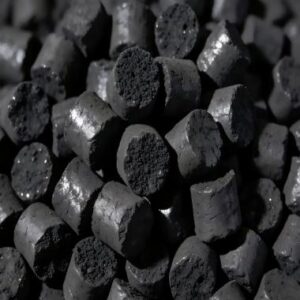
Common Specifications
| form | Diameter (mm) | use |
|---|---|---|
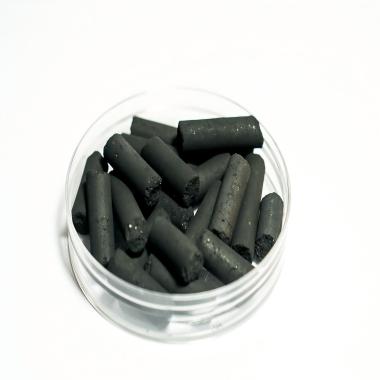
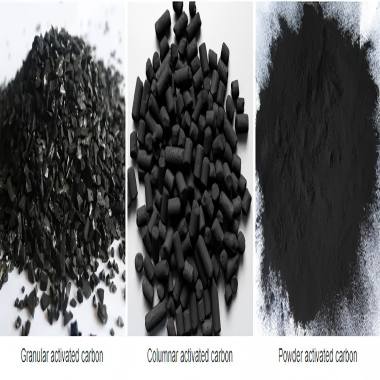
| columnar carbon | 1.5, 3.0, 4.0, 5.0 | Water treatment and gas purification |
| amorphous particles | 0.5–8.0 | Industrial wastewater treatment |
| Powdered charcoal | <0.18 mm(100mm or more) | Emergency dosing, intermittent treatment |
How to choose the right coal-based granular activated carbon?
I. Define the purpose: Select the type according to the scenario
Different operating conditions place significant differences in the requirements for the adsorption capacity, strength, and pore structure of activated carbon.
1.Water treatment (drinking water/industrial wastewater)
Recommended: Type A or Type B coal-based columnar activated carbon
Requirements: Iodine adsorption value ≥800 mg/g, methylene blue adsorption value ≥150 mg/g, strength ≥90%
Applications: Deep purification of tap water plants, ultrapure water preparation in electronics factories, decolorization and deodorization of chemical wastewater
Note: For emergency pollution control, it can be quickly added in conjunction with powdered activated carbon.
2.Air purification and exhaust gas treatment
Recommended: Type A columnar activated carbon or modified activated carbon
Requirements: Carbon tetrachloride adsorption rate ≥50%, high benzene adsorption rate, strong wear resistance
Applications: VOCs recovery in spray painting workshops, desulfurization and denitrification of power plant flue gas, formaldehyde removal in indoor environments
Tip: Activated carbon with well-developed mesopores is more suitable for adsorbing large molecular gaseous pollutants
3.Solvent recovery and industrial catalysis
Recommended: High iodine value columnar charcoal (iodine value >900 mg/g)
Requirements: Moderate bulk density, good permeability, excellent regeneration performance
Applications: Organic solvent recovery in petroleum refining and pharmaceutical industries
4.Food and pharmaceutical decolorization
Recommended: Acid-washed refined coal-based charcoal
Requirements: Extremely low heavy metal content (Pb ≤0.01%, As ≤0.001%), ash content ≤15%
Applications: Sugar solution decolorization, alcohol clarification, pharmaceutical purification
Standards: Must comply with national standards such as GB/T 7701.2-2008
II. Core Performance Indicator Comparison Table
| index | Qualification Standard | Significance of detection |
|---|---|---|
| Iodine adsorption value | ≥800 mg/g | The number of micropores reflects the adsorption capacity of small molecules. |
| methylene blue adsorption value | ≥150 mg/g | Mesopore development affects macromolecular adsorption efficiency. |
| Carbon tetrachloride adsorption rate | ≥50% | Evaluating gas phase adsorption performance is crucial for VOCs treatment. |
| strength | ≥90%(Ball milling method) | Determines service life and prevents breakage and pulverization during operation. |
| Ash | ≤15% | Excessive ash content will reduce adsorption capacity and affect water quality safety. |
| Particle size distribution | 0.5–2.5 mm(columnar) | The bed resistance and contact time are affected, and the equipment design needs to be matched accordingly. |
CTC
Related News
06-13
2025

Shop 101, No. 202 Huanshi West Road, Yuexiu District, Guangzhou City,Guangdong Province, China
Telephone: 86 13670786666
Mobile: 86 13670786666
E-mail:wuguifang57@gmail.com