


How should activated carbon be stored and handled?
Release time:
25-11-05
Source:
Of course. Proper storage and handling of activated carbon are crucial for maintaining its effectiveness and ensuring safety. Activated carbon is highly adsorbent, meaning it will pull contaminants from the air and environment if left exposed, which can ruin it before it’s even used.
Here is a comprehensive guide on how to store and handle activated carbon.
1. Storage
The primary goal of storage is to protect the carbon from contamination and moisture.
-
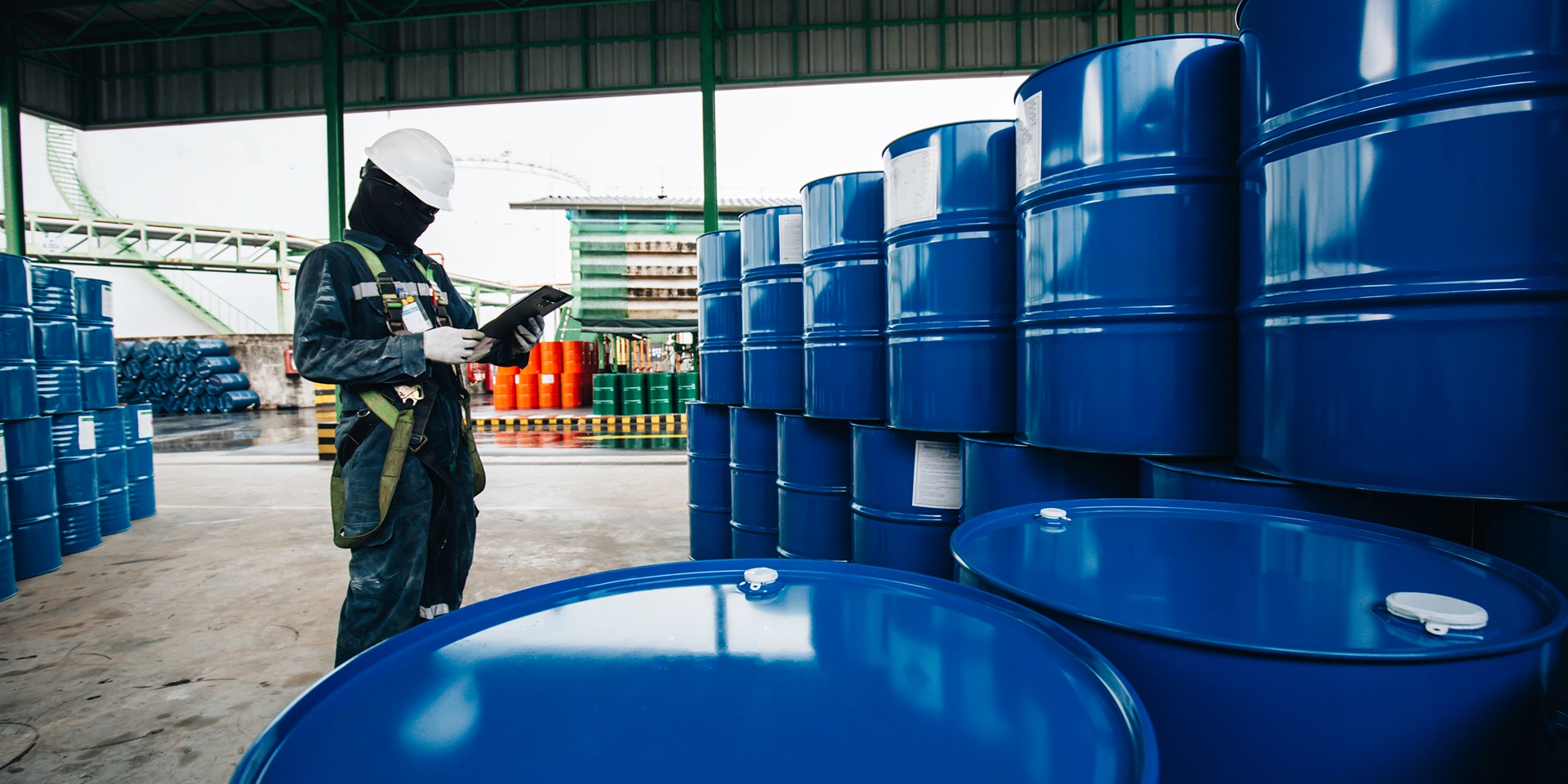
Keep it Sealed: Always keep activated carbon in its original, unopened packaging until ready for use. If the bag has been opened, reseal it tightly. For bulk storage, use airtight containers or bins with secure lids.
-
Control the Environment:
-
Store in a Cool, Dry Place: Moisture is the enemy. It can fill the pores of the carbon, drastically reducing its capacity to adsorb target contaminants. Avoid areas with high humidity, leaks, or potential for flooding.
-
Avoid Temperature Extremes: Very high temperatures can potentially degrade the carbon or drive off previously adsorbed volatiles. Store away from direct heat sources like furnaces, boilers, or direct sunlight.
-
-
Prevent Contamination:
-
Isolate from Fumes: Do not store activated carbon near sources of chemical vapors, solvents, gasoline, cleaning agents, or other volatile organic compounds (VOCs). The carbon will adsorb these fumes and become saturated, rendering it useless for its intended purpose.
-
Keep it Clean: Store bags or containers off the floor (on pallets or shelves) to prevent moisture wicking and contamination from floor cleaning agents.
-
2. Handling
Safe handling protects both the user and the integrity of the carbon.
-
Use Personal Protective Equipment (PPE):
-
Dust Mask/Respirator: Fine carbon dust can be generated during handling. Use an NIOSH-approved dust mask (like an N95) or a respirator to prevent inhalation, which can cause respiratory irritation.
-
Safety Glasses: Protect your eyes from airborne dust particles.
-
Gloves: Wear gloves to keep hands clean and prevent skin irritation or dryness. Nitrile or chemical-resistant gloves are a good choice.
-
Protective Clothing: Consider coveralls or a lab coat to keep carbon dust off your clothing.
-
-
Minimize Dust Generation:
-
Avoid dropping bags or pouring from great heights.
-
Use gentle pouring techniques. For large-scale operations, use dedicated transfer systems or equipment designed for powder/granular materials.
-
Dampening the carbon slightly (if the application allows) can significantly reduce dust. However, this should only be done if you are using it immediately, as storing pre-wetted carbon will deactivate it.
-
-
Practice Good Hygiene:
-
Wash hands thoroughly with soap and water after handling, even if gloves were worn.
-
Avoid touching your face, eyes, or mouth while handling.
-
3. Special Considerations
-
Fire Hazard: Be aware that activated carbon is a combustible material. In large quantities and under specific conditions (e.g., presence of a strong oxidizer, adsorbed solvents), it can pose a fire risk.
-
Do not store near strong oxidizing agents like chlorine, bleaching agents, or peroxides.
-
Have appropriate fire extinguishers (e.g., Class ABC) nearby in storage areas.
-
-
Spill Cleanup: For small spills, carefully sweep up the material and place it in a sealed container. Avoid creating dust. For larger spills, use a industrial vacuum cleaner rated for fine powders. Do not use compressed air to clean up, as it will create a large, hazardous dust cloud.
-
Disposal: Follow local regulations for disposal. Spent activated carbon may be classified as a hazardous waste depending on what contaminants it has adsorbed.
CTC
Related News


Shop 101, No. 202 Huanshi West Road, Yuexiu District, Guangzhou City,Guangdong Province, China
Telephone: 86 13670786666
Mobile: 86 13670786666
E-mail:wuguifang57@gmail.com